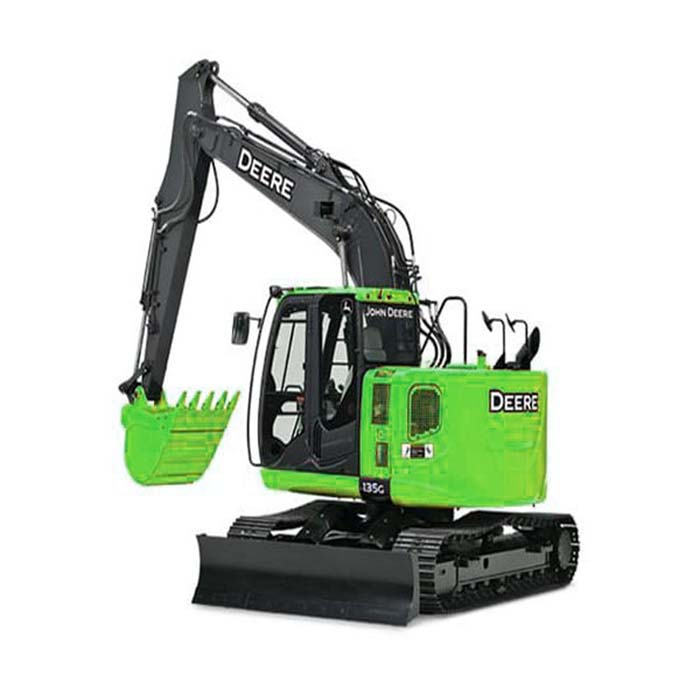
Introduction: When it comes to selecting equipment for your project, one of the critical decisions you’ll face is choosing between electric and diesel-powered options. Each has its own set of advantages and considerations, making it essential to weigh the factors that align with your specific requirements. This guide will help you make an informed decision by exploring the key differences and considerations when choosing between electric and diesel equipment.
- Environmental Impact:
- Electric Equipment: Known for being eco-friendly, electric equipment produces zero emissions during operation. This makes them ideal for indoor use and projects with a focus on sustainability.
- Diesel Equipment: While diesel equipment tends to emit more pollutants, advancements in technology have led to cleaner and more fuel-efficient diesel engines. However, they are still generally better suited for outdoor applications due to emissions.
- Operational Costs:
- Electric Equipment: Electric equipment often has lower operating costs, mainly due to the lower cost of electricity compared to diesel fuel. Maintenance costs can also be lower, as electric motors generally require less upkeep than diesel engines.
- Diesel Equipment: Although diesel fuel prices can fluctuate, diesel equipment is known for its fuel efficiency. However, maintenance costs may be higher, and regular servicing is crucial to ensure optimal performance.
- Initial Cost:
- Electric Equipment: Electric equipment typically has a higher upfront cost than diesel counterparts. However, this cost difference may be offset by lower operational and maintenance expenses over the equipment’s lifespan.
- Diesel Equipment: Diesel equipment generally has a lower initial cost, making it an attractive option for those on a tight budget. However, long-term costs should be considered to determine the overall investment.
- Power and Performance:
- Electric Equipment: Electric motors provide consistent power and torque, making electric equipment suitable for various applications. They are often preferred for indoor use due to their quiet operation and smooth performance.
- Diesel Equipment: Diesel engines are known for their high torque, making them powerful for heavy-duty applications, especially in outdoor settings. They are preferred for projects requiring robust performance and the ability to handle challenging terrains.
- Flexibility and Mobility:
- Electric Equipment: Electric equipment is typically limited by the availability of power sources and may require recharging or access to electrical outlets. This can impact the mobility and flexibility of electric-powered equipment.
- Diesel Equipment: Diesel equipment is known for its mobility and independence from external power sources. This makes it suitable for remote locations or projects where electricity may not be readily available.