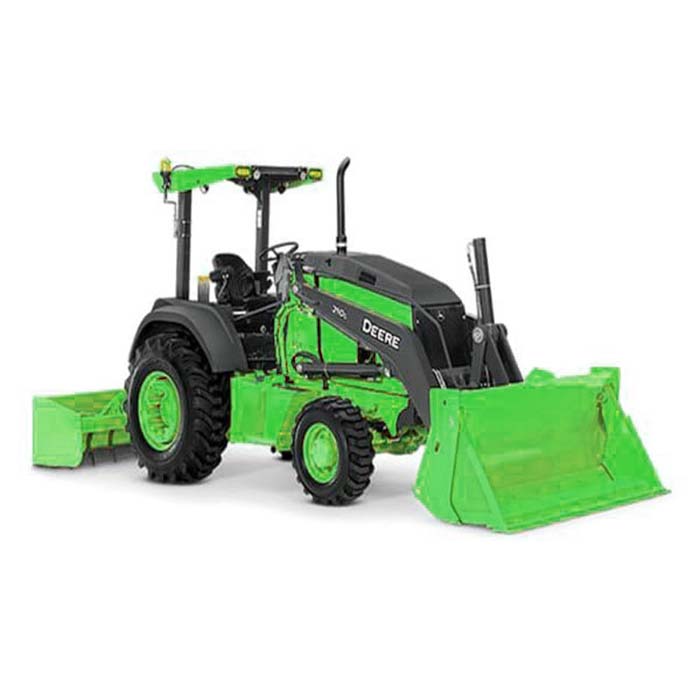
Selecting the appropriate forklift for your project is crucial for ensuring efficiency, safety, and overall success. With various types and models available, making the right choice can be challenging. To help you navigate through this decision-making process, here are some valuable tips for choosing the right forklift for your next project.
- Assess Your Project Needs: Begin by thoroughly assessing the specific requirements of your project. Consider factors such as the weight and dimensions of the loads you’ll be handling, the height of the lifts required, and the type of terrain in your workspace. This information will serve as the foundation for determining the forklift specifications you need.
- Understand Forklift Types: Forklifts come in various types, each designed for specific applications. Common types include counterbalance forklifts, reach trucks, pallet jacks, and rough terrain forklifts. Understand the characteristics and advantages of each type to choose the one that aligns with your project requirements.
- Consider Load Capacity: The lifting capacity of the forklift is a critical factor. It’s essential to choose a forklift that can comfortably handle the maximum weight of the loads in your project. Be sure to account for potential future increases in load sizes or changes in project requirements.
- Evaluate Mast Height and Lift Height: The mast height and lift height determine how high the forklift can raise the loads. Consider the vertical space in your workspace and choose a forklift with an appropriate lift height. Additionally, assess the mast configuration, as various options cater to different applications, such as narrow aisle forklifts or those suitable for outdoor use.
- Think About Fuel Type: Forklifts are powered by various fuels, including electric, propane, diesel, and gasoline. The choice of fuel type depends on your project’s specific needs and environmental considerations. Electric forklifts are ideal for indoor use due to zero emissions, while propane and diesel forklifts are better suited for outdoor and heavy-duty applications.
- Factor in Maneuverability: Consider the layout of your workspace and the level of maneuverability required. Some forklifts are more agile and suitable for tight spaces, while others are designed for outdoor use or large warehouses. Choose a forklift with the right turning radius and overall maneuverability for your project environment.
- Prioritize Operator Comfort and Safety: Ensuring the well-being of the forklift operator is paramount. Look for features such as ergonomic design, comfortable seating, and easy-to-use controls. Additionally, prioritize safety features like load stability systems, lights, alarms, and other advanced safety technologies to prevent accidents and enhance overall project safety.